
Couples Counseling
You want connection — not conflict.
Reconnect. Repair. Move Forward Together.

Relationships can be one of our greatest sources of comfort—but when communication breaks down, they can also become one of our biggest sources of stress.
Maybe every conversation turns into an argument. Maybe you're feeling more like roommates than partners. Maybe trust has been broken, resentment has built over time, or you're struggling to understand one another despite your best intentions.
You don't have to navigate it alone.
Our therapists help couples slow down the cycle of conflict, better understand each other's needs, and build healthier patterns of communication, connection, and trust. Whether you're dating, engaged, married, or navigating a major life transition, we're here to help you strengthen your relationship.
How Couples Therapy Can Help:
-
![]()
Communication Difficulties
-
![]()
Trust & Infidelity Recovery
-
![]()
Intimacy Concerns
-
![]()
Parenting Struggles
-
![]()
Financial Conflict
-
![]()
Life Transitions





Healthy Relationships Don't Happen by Accident. They Grow Through Intention.
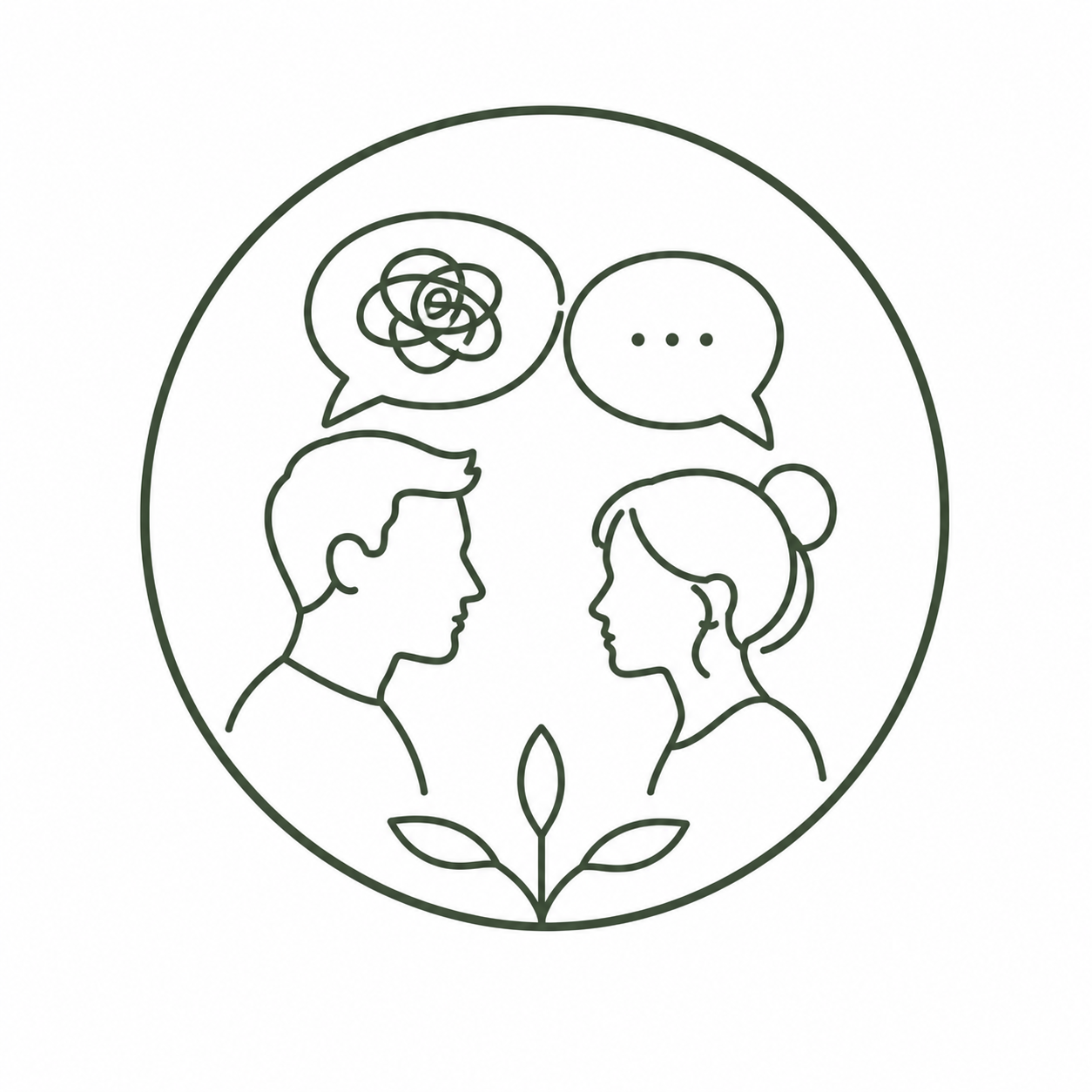
Couples counseling is a space where you and your partner can slow things down, talk openly, and better understand what’s happening beneath the surface. It’s not about deciding who’s right or wrong — it’s about recognizing patterns, improving communication, and finding ways to feel more connected and supported.
Every relationship experiences challenges. Seeking support isn't a sign that your relationship is failing—it's a sign that it's worth investing in.
Whether you're hoping to reconnect, strengthen communication, heal after betrayal, or simply build a healthier future together, we're here to help.
Therapy Approaches Used to Support Couples

-
EFT helps partners understand the emotional needs and attachment patterns beneath conflict. Instead of arguing about the surface issue, you’ll learn to identify the underlying fears, hurts, and longings driving your dynamic. This leads to deeper connection, more trust, and safer communication.
-
Using principles from the Gottman Method, we help couples reduce conflict, manage differences, and build healthy habits like repair, shared meaning, and emotional intimacy. These actionable tools make communication clearer and strengthen your relationship outside the therapy room.
-
ACT helps couples identify the values that matter most—trust, honesty, connection, stability—and use them as a guide during conflict and decision-making. You’ll learn skills for emotional regulation, communication, and moving through tough conversations with more intention and less reactivity.
-
Many relationship challenges stem from old attachment wounds. We help you both explore how your histories shape the way you connect, allowing you to feel safer, more supported, and more secure with one another.
-
If you’re struggling with communication, feeling disconnected, experiencing repeated conflict, or wanting to strengthen your relationship, couples therapy can help. Many couples also come proactively during transitions or periods of stress.
-
Yes, we work with all couples — married, dating, engaged, LGBTQIA+, neurodiverse partnerships, and blended families.
-
That’s very common. We can start with a low-pressure, collaborative conversation to help your partner understand the process and get a feel for how therapy works. There’s no expectation to commit after one session.
-
We help couples with communication, conflict, emotional disconnection, trust issues, infidelity repair, life transitions, intimacy challenges, co-parenting, boundary-setting, and navigating neurodivergent dynamics.
-
Most couples meet weekly or biweekly depending on your goals, availability, and the level of support you need.
-
Many couples choose to work with both a couples therapist and an individual therapist. We can help you coordinate care in a way that supports both partners and avoids conflicts of interest.
-
Yes — we provide virtual couples therapy anywhere in Florida so you can meet from the comfort of your home.
-
We are a private-pay practice. However, we can provide monthly superbills for out-of-network reimbursement, depending on your insurance plan’s benefits.
Common Questions About Couples Counseling
Have more questions? See all FAQs